

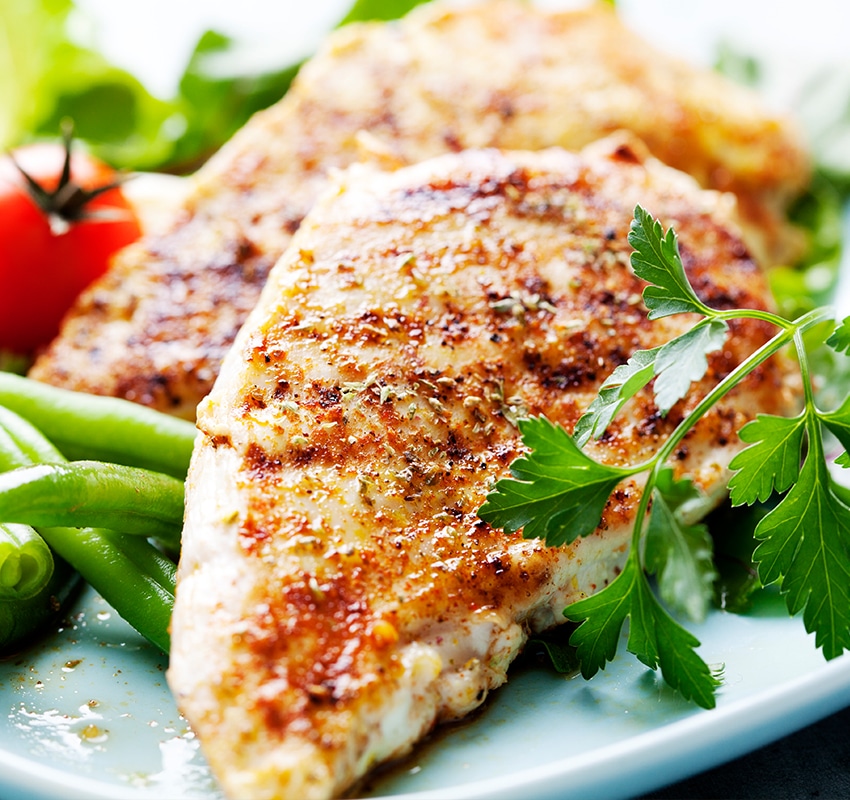
Protein Diet Targeting Built on Contextual Signals
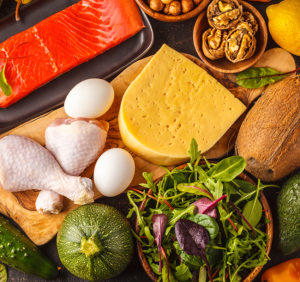
A high Protein Diet puts protein at the center of every meal, from lean meats, eggs, fish and dairy through to beans, tofu and protein shakes. Also called high protein eating or a high protein diet plan, it spans muscle building, weight management and everyday healthy cooking. Worldwide, high protein food and Protein Diet terms draw over 1 million searches a month.
That demand is the contextual signal. Someone searching high protein meals, high protein snacks or a high protein diet plan lands on a recipe or nutrition page and starts building a shopping list. Protein Diet Targeting places your Ads on those pages while the plan is still forming.
The Protein Diet Audience
For a Food, Beverage, Supermarket or Kitchen brand, high Protein content reaches the Household Cook at the moment the shopping list gets written. Our audience skews female, aged 21 to 54, and is overwhelmingly the primary Grocery Buyer for the home.
A Protein Diet is goal driven and the search data shows it. People come to it to build muscle, manage weight or simply eat better, then stay because the habit sticks. Someone planning high protein meals for the week is buying chicken, eggs, Greek yogurt, protein powder and pantry staples on repeat, not once. That makes a Protein Diet audience a replenishment audience you can reach week after week, across breakfast, lunch, dinner and snacks, and the food, beverage and supplement brands that fit those meals get in front of a shopper who is already buying.
Why Advertise Around Protein Diet Content?
Someone reading a high protein recipe or meal plan has already decided how they want to eat and is working out what to buy. That intent makes them highly relevant. The content sits across our Food websites, and equally on a single relevant URL inside premium News, Sport, Travel, Lifestyle, Family, Parenting or Entertainment sites wherever health and food content runs.
Who Advertises with Protein Diet Targeting
A Protein Diet pulls a wide set of advertisers because the category spans fresh, packaged, supplement and the kitchen itself.
| Advertiser Type | Products and Services | Buying Pattern |
|---|---|---|
| Food and CPG / FMCG | Protein bars, shakes, eggs, dairy, high protein snacks and pantry staples | Repeat Purchase |
| Supermarket and Grocery Retail |
Supermarkets, grocery chains, online grocery and private label | Repeat Purchase |
| Beverage | Protein shakes, high protein milk, smoothies and functional drinks | Repeat Purchase |
| Meal Kit and Food Delivery | High protein meal kits, prepared meals and grocery delivery | Repeat Purchase |
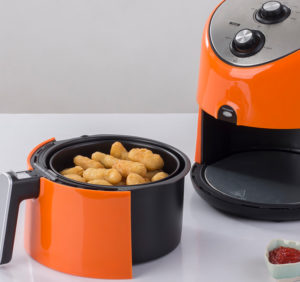
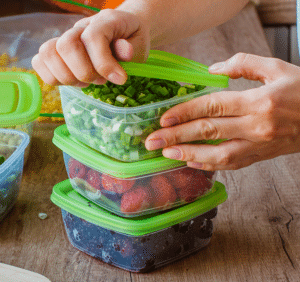
| Kitchen and Appliance | Blenders, air fryers, meal prep containers and cookware | One Off |
| Non-Endemic | Health, fitness and wellness brands reaching the protein focused shopper | Lead Generation |
If your product helps someone hit a protein goal, Protein Diet content is where that decision gets made.
Where Will My Protein Diet Advertisements Run?
Your Ads run beside the high protein content people actually read. Early in the journey that is the broad research, the high protein foods lists and best high protein snacks round ups people browse when they start eating this way. From there it narrows to a plan, the high protein meal prep, the weekly high protein dinners, the muscle building or weight loss plan they commit to. Later still it becomes a single recipe with an ingredient list open in another tab. We match across all of it, in real time, so your brand is present whether someone is still researching or already shopping.
Examples of Popular Protein Diet Articles
- What Foods Are High in Protein
- High Protein Diet Plans for Weight Loss
- Best High Protein Meal Prep Ideas
- High Protein Breakfast Ideas
- High Protein Foods for Building Muscle
- How to Get More Protein in Your Diet
- Best High Protein Snacks to Buy
- High Protein Vegetarian and Vegan Meals
- Easy High Protein Dinner Recipes
- High Protein Low Carb Meal Ideas
- Protein Powders and Shakes Compared
- High Protein Fruits and Vegetables
Popular Protein Diet Keyword Searches
These are the terms behind the segment, pulled from live search data. They are the signal your Ads are matched against, not a wish list.
- high protein foods
- high protein snacks
- high protein meals
- high protein breakfast
- high protein dinner
- high protein lunch
- high protein recipes
- high protein yogurt
- high protein pasta
- high protein cereal
- high protein bread
- high protein oatmeal
- high protein pancakes
- high protein soup
- high protein drinks
- high protein shakes
- high protein desserts
- high protein smoothies
- high protein bars
- high protein cheese
- high protein beans
Diet Targeting
Food Targeting is in our DNA
Since 2008 Gourmet Ads has been the global leader in Food Advertising, delivering Contextual Targeting across premium publisher content in Real Time. We serve every kind of food advertiser, from Supermarkets and CPG brands through to Beverage, Alcohol, Kitchen and Non-Endemic. Our solutions include Contextual Targeting, Website Category Targeting, Retargeting and Non-Endemic Targeting.
Gourmet Ads’ Contextual Targeting
Activating a Protein Diet Audience with our Contextual Targeting
Programmatic Activation
DSP Agnostic, we package our Protein Diet Contextual Targeting Segment as a Deal ID / PMP, so your own media traders can activate it in your own Programmatic workflow, retaining full control over campaign budget, creative, optimization and performance.
Deals Created and running same or next day
Managed Campaign Activation
Prefer us to run your campaign? Our Expert Managed Campaign team plans, builds, manages and optimizes your Protein Diet campaign end to end across premium, brand safe inventory, from the initial discussion through Insertion Order and reporting setup.
Campaign Running in 5 to 7 working days