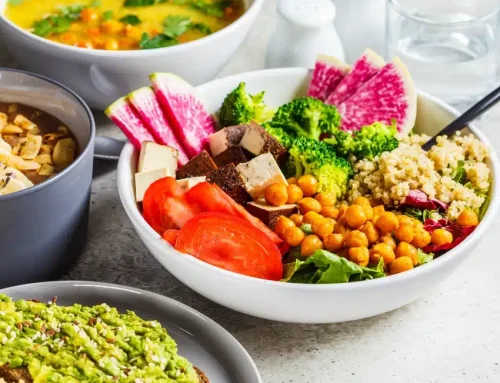



Social Media Marketing for Food
Social media marketing has become an essential tool for food brands and restaurants looking to reach new customers, showcase their products, and build lasting relationships with their audiences. From sharing appealing food photography and short-form videos to promoting special offers and engaging with customers, social platforms offer practical ways to increase brand awareness and encourage sales.
A successful social media marketing strategy goes beyond posting attractive content. It requires understanding audience demographics, choosing the right platforms, maintaining a consistent brand voice, and tracking performance to improve results. This guide explores how food businesses can develop an effective social media marketing strategy, create engaging content, and turn online interactions into meaningful business growth.
Key Takeaways
- Create engaging food content by using appealing visuals, recipe videos, behind-the-scenes posts, and user-generated content to capture attention and showcase products.
- Choose the right social media platforms based on your target audience, marketing goals, and content style to build brand awareness and encourage meaningful engagement.
- Measure performance and refine your strategy by tracking engagement, website traffic, conversions, and audience feedback to improve social media marketing results and build lasting brand loyalty.
Why Social Media Marketing for Food Matters
Social media has become an important way for food businesses to showcase their products, attract customers, and influence purchasing decisions. People use social platforms to discover new restaurants, find recipes, explore food trends, and learn about products before trying them. This creates opportunities for food brands to reach relevant audiences through appealing visuals, useful content, and direct interaction.
For restaurants, social media marketing can highlight menu items, share behind-the-scenes moments, promote special offers, and give potential customers a sense of the dining experience. A well-planned restaurant social media strategy can also help businesses stay visible, encourage customer recommendations, and build stronger connections with their local communities. Packaged food and beverage brands can use social platforms to introduce new products, share serving suggestions, demonstrate how products fit into everyday meals, and communicate what makes their brands distinctive.
However, successful social media marketing requires more than attractive food photography or participation in popular trends. Businesses need to understand their target audience, select the platforms that best suit their goals, publish relevant content consistently, and monitor performance. By combining creative storytelling with meaningful engagement and data-informed decisions, food businesses can strengthen brand awareness, build customer loyalty, and support long-term growth.
Choose the Right Social Media Platforms for Your Food Brand
Not every social media platform serves the same purpose for food businesses. Choosing the right channels helps you reach your target audience, create relevant content, and make better use of your marketing resources.
Instagram and TikTok are effective for sharing food photography, recipe videos, product demonstrations, and behind-the-scenes content. Facebook supports local restaurant promotion, community engagement, and special offers, while Pinterest helps food brands share recipes and meal inspiration. YouTube is useful for longer cooking tutorials and product demonstrations, while LinkedIn can support B2B marketing for food manufacturers, distributors, and foodservice businesses.
Consider your audience’s interests, preferred platforms, and content habits when deciding where to focus. Start with one or two channels, publish consistently, and track engagement, website traffic, and sales to understand which platforms best support your business goals.
Platform-Specific Roles in Food Social Media Marketing
Each social media platform offers different ways for food businesses to reach customers. Choosing the right channels depends on the type of business, its target audience, and the content it can create consistently.
Instagram is well suited to visual storytelling. Restaurants can showcase signature dishes, highlight their dining atmosphere, and share daily specials through photos, Reels, and Stories. Packaged food brands can use the platform to demonstrate recipes, share serving ideas, and feature content created by customers.
TikTok helps food businesses reach audiences through short, engaging videos. Recipe demonstrations, kitchen moments, food reviews, and creative product ideas can capture attention and introduce a brand to new viewers. Restaurants and food brands can also collaborate with relevant creators to reach audiences interested in their products or experiences.
Facebook supports local marketing and customer communication. Restaurants, bakeries, and catering businesses can use it to announce events, promote special offers, share menu updates, and respond to customer questions. Business pages and local community groups can also help businesses maintain visibility among nearby customers.
Pinterest is particularly useful for food inspiration and planning. Recipes, meal ideas, seasonal dishes, and entertaining tips give users content they can save and revisit later. Food brands can use this interest to showcase products in practical contexts, such as weeknight dinners, holiday meals, and everyday cooking.
The most effective approach is to tailor content to each platform rather than publishing identical posts everywhere. By understanding audience behavior and the strengths of each channel, food businesses can create more relevant content, engage potential customers, strengthen brand awareness, and support their marketing goals.
Define Your Brand, Audience, and Goals Before Posting
A successful restaurant social media strategy starts with a clear brand identity, a well-defined target audience, and measurable marketing goals. These foundations help businesses create consistent content and communicate what makes their products or services unique.
Start by defining your brand personality, voice, colors, and visual style. A playful street-food business, a premium restaurant, and a family snack brand each need a distinct approach to communication. Consistent branding helps audiences recognize your business across social media platforms.
Next, understand your target audience, including relevant audience demographics such as age groups, location, and lifestyle interests. A packaged food company might focus on families seeking convenient meal ideas. Understanding these preferences helps you create content that resonates with potential customers.
Finally, set clear goals, such as increasing brand awareness, attracting new customers, driving online orders, or encouraging repeat purchases. Track relevant metrics, including engagement, website traffic, conversions, and sales, to measure progress and refine your strategy.
What Works and What Fails in Food Social Media Marketing
Effective food social media marketing combines appealing visuals, authentic storytelling, and content that encourages interaction. Food brands can share recipes, behind-the-scenes videos, product demonstrations, customer creations, and seasonal ideas to keep their audiences interested. Restaurants can highlight popular dishes, introduce new menu items, and showcase customer experiences.
In contrast, posting only promotional offers, using repetitive visuals, ignoring comments, or publishing inconsistently can reduce audience interest. Sharing identical content across every platform without adapting it to each channel may also limit engagement.
The key is to focus on quality, consistency, and meaningful audience interaction. By reviewing engagement, website traffic, and conversions, food businesses can identify which content resonates with their audience and improve their social media marketing over time.
Build a Food-Focused Content Strategy
A strong social media strategy starts with a clear plan for what to share and why. Content pillars are recurring themes that help food brands and restaurants organize their posts, maintain consistency, and give audiences different reasons to engage with their content. Instead of promoting products in every post, businesses can balance useful information, entertaining stories, and promotional messages.
Five content pillars work particularly well for food businesses:
- Food Photography and Product Highlights: Feature signature dishes, new menu items, seasonal specials, and packaged products through appealing photos and videos. Show the food in a way that helps audiences imagine its taste, presentation, or use.
- Behind-the-Scenes Stories: Take audiences into the kitchen, show how dishes are prepared, explain where ingredients come from, or share how a product is developed. These details give people a better understanding of the work behind the food.
- People and Brand Stories: Introduce chefs, team members, founders, or suppliers. Share the inspiration behind a recipe, the story of a family-owned business, or the values that shape your brand. This helps audiences connect with the people behind the products.
- Customer Experiences and Reviews: Share customer photos, genuine testimonials, and relevant user-generated content with permission. These experiences can build trust and show how people enjoy your food in real-life settings.
- Recipes, Seasonal Ideas, and Food Trends: Offer meal inspiration, serving suggestions, seasonal recipes, and ideas for special occasions. Packaged food brands can show how their products fit into everyday meals, while restaurants can highlight seasonal menus and limited-time offerings.
Once these pillars are established, use a content calendar to plan when each theme will appear. For example, a restaurant might share a signature dish on Monday, a kitchen video midweek, and a weekend special on Friday. A packaged food brand might feature a recipe early in the week, a product demonstration later on, and seasonal meal inspiration at the weekend. These are starting points, not fixed schedules, so adjust them to suit your audience and available resources.
It is also important to balance promotional content with posts that provide value. The commonly used 80/20 approach suggests that around 80% of posts should educate, entertain, or engage audiences, while 20% can focus on direct promotion. Treat this as a flexible guideline rather than a strict formula, and use performance data to determine which mix works best for your business.
Over time, review engagement, saves, shares, comments, and relevant conversions to identify which themes resonate most with your audience. Use those insights to refine your content calendar, develop stronger ideas, and create social media content that supports both customer relationships and business growth.
Short-Form Video Strategy for Food Brands
Short-form videos are a useful way for food brands and restaurants to showcase products, share ideas, and reach potential customers on platforms such as Instagram Reels, TikTok, and YouTube Shorts. Food preparation, appealing textures, and quick demonstrations can make video content especially engaging.
Capture attention within the opening seconds with a compelling visual, such as a sizzling pan, a cheese pull, a frosting swirl, or the finished dish. Showing the final result before revealing the preparation process can encourage viewers to keep watching. Focus on clear visuals, good lighting, and authentic moments rather than relying on expensive production.
Aim for a realistic publishing schedule, such as two or three short-form videos per week, and adjust it according to your team’s capacity and audience response. You can repurpose suitable footage across different platforms, but adapt the editing, captions, format, and presentation to each channel.
Track views, watch time, shares, saves, comments, and website visits to understand which videos perform well. Use those insights to refine future content and create videos that support your brand awareness, engagement, and sales goals.
Create Visuals That Actually Make People Hungry
High-quality food photos and videos can help food brands and restaurants capture attention, showcase their offerings, and encourage audiences to explore their products. In food marketing, visuals should highlight the details that make a dish or product appealing while accurately representing what customers can expect.
Use natural lighting whenever possible, positioning dishes near a window to capture fresh colors and appealing details. Keep backgrounds simple so the food remains the main focus, and use close-up shots to emphasize textures such as crispy edges, melting cheese, fresh ingredients, and glossy sauces. Maintaining a consistent color palette, composition, and editing style also helps strengthen brand recognition across your social media channels.
Restaurants can photograph daily specials using a smartphone. Choose a well-lit spot, keep a few simple props nearby, and take photos while the food looks fresh. For packaged food brands, combine clear product shots with lifestyle scenes and recipe-based visuals that demonstrate how the product can be used. These approaches help audiences understand the product and imagine how it fits into their everyday lives.
Make Food Content More Appealing and Accessible
Create sensory-driven content that helps audiences imagine the taste, texture, and experience of the food. Short videos showing food being prepared, sauces being poured, or dishes being served can add movement and make your content more engaging. Adding descriptive alt text to images can improve accessibility by helping people using screen readers understand the visual content. For example, describe a photo as “crispy fried chicken sandwich with pickles on a brioche bun” rather than using a vague description or repeating keywords unnaturally.
Experiment with different angles, formats, and visual styles, then review engagement, saves, and shares to identify what resonates with your audience. The goal is to create attractive, authentic visuals that encourage interest while building trust in your brand.
Turn Social Media Followers into Paying Guests and Buyers
A large social media following is valuable for restaurant marketing when it helps drive restaurant visits, online orders, and food product sales. Engaging content can turn casual viewers into customers, but businesses need clear conversion paths that make it easy for people to take the next step.
Start by making your social media profiles useful and easy to navigate. Add links to menus, online ordering pages, reservations, or product stores. Restaurants can use booking buttons and highlight opening hours, locations, and menu options. Packaged food brands can direct interested customers to retailers or online shops where their products are available.
Social-exclusive promotions can also encourage purchases. Restaurants might offer weekday specials or discounts for customers who mention a social media post, while packaged food brands can share limited-time offers, introduce new flavors, or provide early access to product launches. Promoting loyalty programs and repeat-purchase incentives can help encourage customers to return.
For seasonal menus, new products, and limited-time offers, use Stories, countdowns, and timely posts to build interest. Include a clear call to action in each promotional post, such as “Book your table for this weekend” or “Shop our new chili lime chips today.” Direct instructions help audiences understand exactly what to do next.
Finally, track link clicks, reservations, online orders, coupon redemptions, and sales to identify which campaigns lead to meaningful results. By combining relevant content with simple purchasing options and clear calls to action, food businesses can turn social media attention into measurable business outcomes.
Community Management That Builds Loyal Food Fans
Building a loyal social media community takes more than posting attractive food photos. Food brands and restaurants need to interact with followers, respond to feedback, and create opportunities for meaningful conversations. Consistent communication helps audiences feel valued, strengthens brand recognition, and gives businesses a better understanding of customer preferences.
Comments, direct messages, mentions, and reviews can reveal what customers think about flavors, packaging, pricing, menu options, and service. Make time each day to answer questions, thank customers for positive feedback, and address concerns professionally. For restaurants, this might mean answering questions about ingredients, opening hours, or reservations. Packaged food brands can respond to questions about product availability, serving suggestions, and ingredients. These small interactions show customers that your business is approachable and attentive.
Encourage Conversations and Respond to Feedback
Use polls, questions, and interactive posts to invite participation. Restaurants might ask followers to vote on a new menu item, share their favorite dishes, or suggest ideas for seasonal specials. Packaged food brands could invite customers to share recipes, post their favorite ways to use a product, or vote on potential new flavors. These activities encourage followers to participate while helping businesses learn more about their audience.
Sharing customer experiences and user-generated content, with permission, can also make your community feel more connected. Reposting a customer’s food photo, thanking someone for a thoughtful review, or featuring a creative recipe can recognize loyal customers and encourage others to share their experiences. Keep interactions authentic and avoid making every conversation feel like a sales pitch.
When negative feedback appears, respond calmly and acknowledge the customer’s concern. Offer a practical solution where possible, and continue the discussion privately when more details are needed. Avoid arguing publicly or making promises your business cannot keep. Responding professionally can demonstrate that your brand takes customer experiences seriously, even when something goes wrong.
By listening to your audience and responding consistently, you can turn everyday interactions into opportunities to build stronger customer relationships. Over time, thoughtful community management can support brand loyalty, encourage repeat purchases, and create an engaged audience that feels connected to your food business.
Influencer Marketing and Food Blogger Partnerships
Influencer marketing and food blogger collaborations help restaurants and packaged food brands reach new audiences, showcase their offerings, and build credibility. Working with creators who have an engaged audience can introduce your brand to potential customers through food reviews, recipes, product demonstrations, and dining experiences.
Choosing the right creator matters more than focusing on follower count alone. Micro-influencers and local food bloggers can be valuable partners because they often connect with specific communities or niche audiences. Consider their engagement, audience location, content quality, and alignment with your brand before starting a collaboration. Restaurants may benefit from local food reviewers who can attract nearby diners, while packaged food brands can work with recipe creators who demonstrate practical ways to use their products.
Collaborate with Food Creators and Track Results
Partnering with food bloggers, recipe creators, and local influencers can help food businesses introduce their products to new audiences. Restaurants might invite creators to sample menu items, while packaged food brands can collaborate on recipes, product demonstrations, or serving ideas. Choose creators whose content, audience, and style align with your brand rather than focusing on follower count alone.
Before launching a collaboration, agree on the campaign goals, content deliverables, timeline, and brand guidelines. Give creators room to present the experience in their own style, and ensure paid partnerships or gifted products are disclosed appropriately.
To evaluate results, track relevant metrics such as engagement, website visits, bookings, orders, and sales. Unique discount codes and trackable links can help identify which collaborations generate meaningful results and inform future campaigns.
Leverage Paid Social Media Ads for Food Promotions
Paid social media advertising helps food brands and restaurants expand their reach beyond existing followers and promote products, menus, and special offers to relevant audiences. Platforms such as Facebook, Instagram, TikTok, and Pinterest offer advertising options that can support brand awareness, website traffic, restaurant visits, and online sales. Promoting content that already performs well organically can be a useful starting point for identifying messages that resonate with your audience.
Restaurants can begin with a modest budget to test promotions for new menu items, special events, or seasonal offers. Food and beverage brands can use paid campaigns to introduce new products, promote recipes, and support retail promotions in areas where their products are available. Audience targeting options vary by platform but may include location, interests, and similar-audience tools, helping businesses reach people who are more likely to be interested in their offerings.
Test Ads and Measure Performance
A/B testing helps identify which creative elements and messages produce better results. Test different images, video hooks, headlines, and calls to action while keeping the campaign objective in mind. Short-form video can be effective for showing food preparation, product demonstrations, and serving ideas, while high-quality photos can showcase menu items and packaged products clearly. Test both formats to determine what works best for your audience.
Manage your advertising budget carefully and track metrics that align with your goals. Restaurants may focus on reservations, online orders, cost per booking, or visits to ordering pages. Packaged food brands can monitor link clicks, product-page visits, conversions, and return on ad spend where sales data is available. Review performance regularly, adjust underperforming creatives, and allocate more budget to campaigns that deliver meaningful results.
By combining clear campaign objectives, relevant targeting, compelling food visuals, and ongoing testing, businesses can use paid social media ads to support measurable marketing outcomes.
Use Social Media Analytics to Refine Your Food Strategy
Social media analytics help food brands and restaurants understand how their content performs and whether their marketing efforts support business goals. Rather than relying on likes alone, businesses should track metrics that reveal audience interest, engagement, and actions that contribute to sales.
Important metrics include engagement rate, saves, shares, clicks to menu or product pages, reservations, online orders, and video retention. Engagement shows how audiences respond to content, while saves and shares can indicate that posts are useful or worth recommending. Website clicks reveal interest in products or services, while reservations and online orders provide clearer evidence of conversions. Video retention helps identify which content holds viewers’ attention.
Businesses should also compare performance across content formats, including short-form videos, static images, and Stories. Social listening and comment analysis can reveal customer preferences, common questions about ingredients or packaging, and emerging food trends. Together, these insights help businesses understand what their audiences value and identify opportunities to improve their marketing.
Apply Insights to Content and Business Decisions
Once you understand your performance data, use it to guide future content and campaigns. Identify which dishes, product features, video formats, and topics consistently attract interest. Test similar ideas, experiment with different approaches, and compare results to determine what works best for your audience.
Restaurants can use these findings to shape promotions and explore customer interest in particular menu items. For example, if a video featuring a signature dish performs well, the restaurant could feature it in future posts or test a related special. However, social media engagement should be considered alongside sales data and direct customer feedback before making significant menu changes.
Packaged food brands can use audience responses and advertising results to identify interest in specific products, recipes, or serving suggestions. Strong engagement around a particular recipe, for instance, could inspire additional content or a targeted campaign. Social media feedback can guide these tests, while broader market research and sales data help inform larger product decisions.
Regularly reviewing results and testing new ideas helps food businesses refine their social media strategies over time. The aim is not simply to generate more engagement, but to create relevant content that strengthens customer relationships and contributes to measurable business outcomes.
SEO, Keywords, and Discoverability Across Social Platforms
Social media platforms increasingly serve as search and discovery tools, helping people find restaurants, recipes, food products, and meal inspiration. Users may search for phrases such as “best pizza near me” or “easy vegan dinner ideas” directly on platforms like Instagram, TikTok, and Pinterest. Optimizing your profiles and posts can help your food business appear in relevant searches and reach potential customers.
Use relevant food-related keywords naturally in your username, profile bio, captions, video titles, and on-screen text where appropriate. For example, a restaurant might mention its cuisine, signature dishes, and location, while a packaged food brand could highlight product types, ingredients, and recipe ideas. Combine broad hashtags with more specific or local ones, such as #Brunch and #AustinTacos, when they accurately describe your content. Avoid adding unrelated hashtags simply to increase visibility.
Improve Discoverability with Relevant Keywords
Location tags can help people discover nearby restaurants and food businesses, particularly when they are looking for local dining options. For recipes and packaged food products, descriptive captions and relevant search terms can make content easier to find. Pinterest boards and pins can also be organized around specific recipes, ingredients, meal types, or product uses.
Add descriptive alt text to images to explain their visual content for people using screen readers. For videos, use clear titles, captions, and on-screen text that accurately describe the dish, recipe, or product. These elements help audiences understand your content and can support discoverability where platforms use them in search.
Keep your social media keywords aligned with the language used on your website and product pages. Consistent descriptions of your cuisine, products, and specialties create a more unified marketing approach across search engines and social platforms. Review search visibility, profile visits, and website traffic to understand how people discover your content and refine your approach over time.
Sample 30-Day Social Media Plan for a Food Brand
A 30-day social media plan supports effective social media management by helping food brands and restaurants publish consistently, connect with their audience, and improve content performance over time. Rather than following a rigid day-by-day calendar, use a weekly approach that balances preparation, engagement, growth, and optimization.
Week 1: Build Your Foundation
Optimize your social media profiles with updated bios, relevant keywords, current food photos, and clear links to menus, online ordering, reservations, or product pages. Define four to five content pillars, such as product highlights, behind-the-scenes content, recipes, customer stories, and seasonal promotions. Gather visual assets and film a few short-form video clips to support the month’s content.
Week 2: Focus on Engagement
Publish three to four posts across your main social media platforms, adapting each post to the channel. Share a behind-the-scenes video, a food preparation tip, a featured product, or a customer story. Use polls and questions to encourage participation, respond to comments and direct messages, and share relevant user-generated content with permission.
Week 3: Expand Your Reach
Explore a collaboration with a relevant micro-influencer or local food blogger whose audience aligns with your brand. Test a paid promotion using a budget that fits your business goals, and experiment with different video hooks, visuals, and calls to action. Monitor engagement, reach, profile visits, and website clicks to identify which content connects most effectively with your audience.
Week 4: Review and Optimize
Review the month’s social media analytics to identify your strongest posts, most engaging formats, and content that generated website visits, reservations, or orders. Refine your posting schedule based on audience activity and performance data. Use these insights to plan the next month’s content, repeat successful approaches, and test new ideas where opportunities exist.
The goal is to create a repeatable process rather than follow a fixed schedule without evaluating results. Adjust the plan to your team’s capacity, audience preferences, and marketing objectives, then use each month’s results to improve the next.
Common Mistakes in Social Media Marketing for Food
Avoiding common mistakes can help food brands and restaurants save time, use their marketing budgets more effectively, and build a stronger social media presence. Here are six pitfalls to watch for:
- Posting low-quality or inconsistent food visuals that make products less appealing or weaken brand recognition.
- Ignoring comments and direct messages, which can damage customer trust and leave important questions unanswered.
- Copying competitors without developing your own brand identity, making it harder to stand out and build meaningful connections with your audience.
- Relying too heavily on discounts, which can encourage customers to focus on promotions rather than product quality, value, or experience.
- Chasing every viral trend or new platform instead of building a consistent presence on one or two channels that suit your audience and goals.
- Ignoring analytics and repeating content or campaigns without checking whether they deliver meaningful results.
Quick Social Media Audit Checklist
Review your last 20 social media posts and ask yourself:
- Are the visuals consistent with your brand identity?
- Have you responded to comments and direct messages?
- Do promotional captions include clear calls to action?
- Is there a balanced mix of content, such as product highlights, educational posts, behind-the-scenes content, and customer stories?
- Are you tracking performance to identify what works best?
Use your answers to identify gaps in your current approach. Focus on the areas that need the most attention, whether that means improving visual consistency, responding more actively to customers, diversifying your content, or reviewing performance data. Small, consistent improvements can help food businesses create more engaging social media content and get better results from their marketing efforts.