


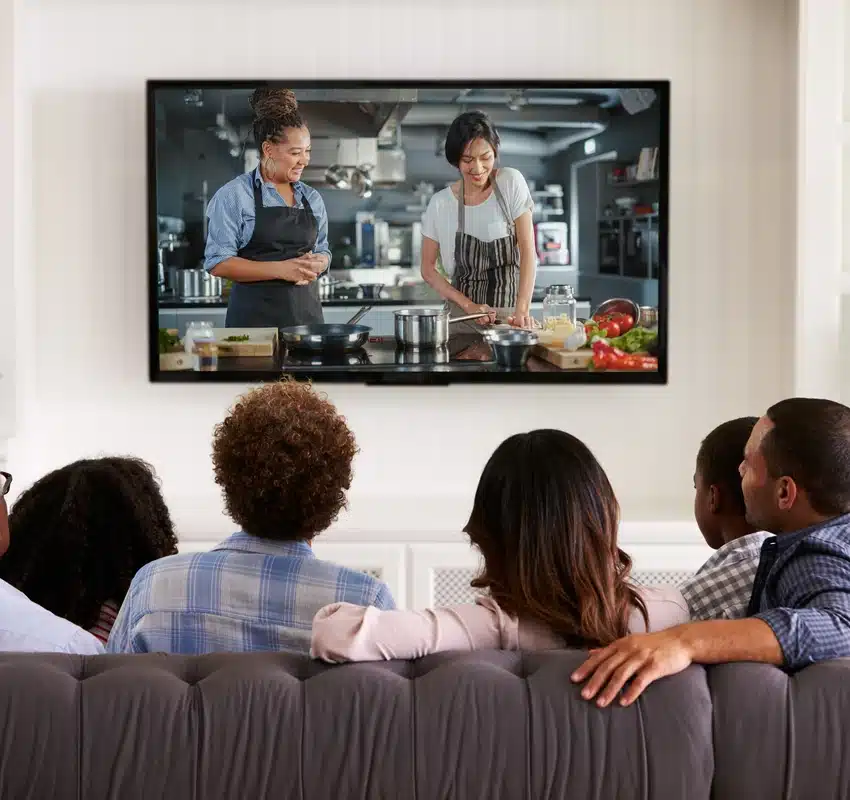
Food Network Commercial
A Food Network commercial allows brands to connect with audiences through food-focused television programming. From food and beverage products to grocery retailers, cookware, and kitchen appliances, advertisers can use relevant advertising placements to introduce products, build brand awareness, and reach consumers interested in cooking, recipes, and food culture.
Today, advertising on Food Network can extend beyond traditional television, with opportunities across streaming and connected TV, depending on available inventory and the campaign’s media plan. These channels allow advertisers to consider different viewing habits and develop campaigns that reach audiences across multiple screens.
Planning an effective campaign involves more than choosing an advertising format. Brands need to consider their target audience, creative approach, media investment, and campaign objectives. Measuring performance also helps advertisers understand how their campaigns contribute to brand awareness, audience engagement, website visits, and other business goals.
Key Takeaways
- A Food Network commercial can place food, beverage, grocery, kitchen, and lifestyle brands within highly relevant programming environments.
- Food Network advertising can extend across linear television, streaming, connected TV, and digital video, depending on campaign objectives and available inventory.
- Measurement helps advertisers evaluate reach, frequency, engagement, incremental exposure, and business outcomes rather than relying on audience size alone.
The Role of Food Network Commercials in Modern Advertising
A Food Network commercial allows brands to reach audiences in a programming environment centered on cooking, recipes, food, and entertaining. Because these topics are closely connected to everyday consumer interests, the advertising environment can provide relevant opportunities for brands to introduce products, build awareness, and communicate their value.
The context in which an advertisement appears can help shape how viewers perceive its message. For example, an advertisement for cooking ingredients may complement a recipe-focused program, while cookware or kitchen appliances may be relevant to content about meal preparation. Aligning the product with the surrounding programming helps create a more natural connection between the advertisement and the viewer’s interests.
These opportunities extend beyond packaged food products. Beverage brands, grocery services, restaurants, kitchen appliance manufacturers, cookware companies, and other lifestyle businesses may also find relevant ways to connect with food and entertaining audiences. The effectiveness of a placement depends on how well the product, creative message, and intended audience align.
Food Network advertising can also support a broader marketing strategy. Depending on campaign objectives and available media placements, advertisers may combine television spots with streaming, digital video, social media, search, and retail promotions. Coordinating these channels helps maintain consistent messaging and gives brands additional opportunities to engage audiences and evaluate campaign performance.
What Makes a Food Network Commercial Stand Out
Creative quality plays an important role in the effectiveness of a television or streaming advertisement. A Food Network commercial should communicate its message quickly, using visuals, sound, and storytelling to capture attention and make the brand memorable.
Food-focused visuals can help demonstrate a product’s value and practical use. For example, showing ingredients in a recipe, cookware in action, or a kitchen appliance during meal preparation gives viewers a clearer understanding of the product. Finished dishes, attractive packaging, and serving scenes can also help food and lifestyle brands present their offerings effectively.
A clear storyline and focused message make the commercial easier to follow. Music, voiceovers, dialogue, and on-screen text should reinforce the main idea rather than distract from it. Consistent branding, including logos, product names, and recognizable packaging, helps viewers connect the advertisement with the company behind it.
Since commercial time is limited, advertisers should prioritize one main message or benefit. A focused creative approach can make the advertisement easier to understand and adapt across television and streaming formats.
Food Network Commercial Formats
The format of an advertisement affects how much information a brand can communicate and how the creative should be structured. Advertisers can select different formats according to their campaign objectives, audience, media plan, and viewing environment. Choosing the right format helps ensure that the message is clear while giving the creative enough time to capture attention and communicate the product’s value.
Thirty-Second Commercials
A 30-second commercial provides enough time to establish a situation, introduce a product, communicate a key benefit, and reinforce brand identity. It can support more developed storytelling, product demonstrations, and lifestyle scenarios that show how a product fits into everyday use.
Fifteen-Second Commercials
A 15-second advertisement requires a more concentrated message and careful pacing. It can work well for reinforcing brand awareness, highlighting a single product benefit, promoting an offer, or extending an existing creative concept. Strong visuals, clear branding, and a focused message are especially important when time is limited.
Short-Form Streaming Creative
Streaming environments can support shorter digital video formats designed for connected TVs and other devices. The main message and brand should appear quickly, since viewers may encounter advertisements in different viewing situations. Short-form versions can also complement longer television spots as part of a broader campaign.
Product Demonstration Creative
Demonstration-led advertising can be useful for food and kitchen products because visual storytelling can explain how a product works or how it can be used. Showing preparation, serving, cooking, or product usage can make the message easier to understand while giving viewers a practical reason to consider the product.
Linear Television
Linear television provides scheduled programming and traditional commercial breaks, making it a familiar format for reaching audiences around specific programs and viewing times. It can support broad awareness campaigns around relevant food, cooking, lifestyle, or entertainment programming.
Connected TV
Connected TV allows viewers to access television-style content through internet-connected devices, including smart TVs and other compatible screens. For advertisers, this creates additional opportunities to reach audiences beyond traditional linear viewing and can provide different targeting and measurement options depending on the inventory and buying platform.
Cross-Screen Campaigns
Combining linear television with streaming can help campaigns reach audiences across different viewing environments. Consistent creative and messaging can reinforce the brand as viewers encounter the campaign across multiple screens, while campaign measurement can help advertisers understand how the formats work together.
Measuring the Impact of Food Network TV and Streaming Ads
Measurement helps advertisers understand whether a campaign is reaching the intended audience and contributing to meaningful outcomes. The appropriate metrics depend on the campaign objective, media mix, available data, and measurement tools. Looking beyond basic impressions can give advertisers a clearer view of how television and streaming placements contribute to overall marketing performance.
Measuring Reach and Frequency
Reach indicates how many unique people or households were exposed to the campaign, while frequency reflects how often those audiences encountered the advertising. Looking at both measures provides more context than reach alone. Advertisers can use these metrics to understand whether the campaign is reaching enough of the intended audience and whether viewers are receiving an appropriate level of exposure.
Connecting Exposure to Business Results
Advertisers may evaluate website visits, store visits, purchases, sales activity, or other outcomes when suitable measurement solutions are available. These measures can help connect media exposure with broader business performance. For example, a food brand may examine whether campaign exposure was associated with increased website activity or product purchases during the campaign period.
Comparing Linear Television and Streaming
A campaign using both linear television and streaming can be evaluated across platforms to understand how each contributes to reach and engagement. This can also help advertisers identify incremental audiences that may not have been reached through traditional television alone. Comparing the channels together can provide a more complete view of the campaign’s overall media performance.
Using Data to Improve Campaigns
Campaign reporting can reveal differences between audiences, creative executions, programs, platforms, and time periods. Advertisers can use those findings to make more informed decisions during or after a campaign. For example, results may indicate where additional investment could be considered or where creative and media strategies may need adjustment.
Understanding Incremental Reach
Incremental reach helps advertisers understand whether an additional platform or channel is reaching people who were not reached through another part of the campaign. This can be particularly useful when combining traditional television with streaming or connected TV. Rather than simply counting additional impressions, advertisers can examine whether the added channel is expanding the campaign’s unique audience.
Reviewing Analytics Dashboards
Advertisers may use analytics dashboards to organize campaign results and compare performance across different dimensions. Screens from inside analytics.ispot.tv can provide a visual way to review campaign data across audiences, placements, and outcomes. These dashboard screens from inside analytics platforms can make large amounts of campaign data easier to interpret and help teams identify patterns that may inform future media and creative decisions. Measurement providers such as iSpot can also support the analysis of television advertising exposure alongside other audience, engagement, visitation, purchase, or business data, depending on the measurement methodology and campaign setup.
Planning a Food Network Commercial Campaign
Effective planning starts before creative production or media buying begins. Advertisers should establish the campaign’s objective, intended audience, budget, timing, creative approach, and measurement framework before committing significant investment. Clear objectives might include building awareness, introducing a product, increasing consideration, driving website activity, supporting store visits, or contributing to sales.
The audience should reflect the brand’s broader business strategy, helping advertisers determine which programming, platforms, and creative approaches are most relevant. Buying decisions should also consider available inventory, budget, reach, flexibility, and measurement requirements.
Creative planning should account for more than filming. Editing, graphics, music, voiceover, food styling, multiple versions, and adaptations for different screens can all affect the final budget. Measurement should also be planned before launch so advertisers can collect the information needed to evaluate performance.
Maintaining a consistent brand identity across advertisements and platforms can help audiences recognize the campaign. While messaging may be adapted for different formats, the central brand idea should remain clear and recognizable throughout the campaign.
Aligning Food Network Advertising With Seasonal Opportunities
Food-related consumer behavior can change throughout the year, making seasonal planning useful for advertisers. Aligning creative themes, promotions, and media activity with relevant occasions can help brands connect their products with moments when consumers are more likely to be thinking about food, cooking, and entertaining.
Summer can create opportunities around grilling, outdoor meals, beverages, and entertaining, while fall can support themes such as baking, comfort foods, and family meals. Holiday periods can also be relevant for food, beverage, grocery, cookware, and entertaining brands, while back-to-school campaigns may focus on snacks, quick meals, beverages, and lunch preparation.
Planning seasonal campaigns early gives advertisers time to coordinate creative production, media buying, promotions, and measurement. Seasonal messaging can add timely relevance while maintaining a consistent brand identity throughout the campaign.
Building Creative That Works Across Screens
A campaign may appear across television, streaming, and connected TV, so creative should be developed with adaptation in mind. A commercial designed for one viewing environment may need adjustments when used across other screens or formats.
Brand elements should remain recognizable when creative is resized, reformatted, or shortened. Keeping logos, product visuals, and the core message consistent can help audiences identify the advertiser across different placements. At the same time, framing, text size, pacing, and composition may need to change to suit each viewing environment.
Testing different creative lengths can also help advertisers determine how much information viewers need to understand the message. Shorter versions can reinforce the main idea, while longer versions can provide more room for storytelling or product demonstrations. Relevant creative variations can also help manage repetition when audiences encounter the campaign across multiple placements.
Integrating Food Network With Other Channels
A Food Network campaign can work alongside other marketing channels to reinforce the same campaign idea across different points in the consumer journey. Combining television or streaming with supporting digital activity can give audiences additional opportunities to interact with the brand.
Social media can extend television creative through short clips, recipes, product demonstrations, behind-the-scenes content, or campaign reminders. A brand website can provide additional product information, recipes, retailer details, promotions, or other useful resources for interested viewers.
Digital video can also reinforce television exposure while providing additional targeting and measurement opportunities. For food and grocery brands, campaigns can connect with retail promotions, product availability, and shopping opportunities, helping extend the impact of the original advertisement.
Turning Food Network Advertising Into Measurable Marketing
A campaign should not end when the final commercial airs. Performance analysis can help advertisers understand how media exposure relates to business results and inform future planning.
Attribution should be considered before the campaign begins, with clear outcomes and appropriate measurement methods established in advance. Advertisers can then review creative, programming, audience, and platform performance to identify what is contributing to campaign results.
Comparing linear television and streaming can also show how each channel contributes to reach, engagement, and other outcomes. These insights can help advertisers refine creative, audience selection, media allocation, and campaign timing for future Food Network campaigns.