


Waitrose: The Gastronaut

In a category dominated by price flashes, limited-time offers, and well-worn kitchen-table tropes, it is increasingly rare for a supermarket ad to genuinely surprise. Grocery advertising has, by necessity, become efficient and transactional. It must communicate value quickly, land product recognition instantly, and justify its place in a crowded media feed.
That is precisely why The Gastronaut, the 90-second TVC from Waitrose & Partners, part of the John Lewis Partnership, stands out so clearly. Waitrose Limited, trading as Waitrose & Partners, is a British supermarket chain founded in 1904 as Waite, Rose & Taylor by founders Wallace Waite, Arthur Rose, and David Taylor. In 1937, Waitrose was acquired by the John Lewis Partnership, the UK’s largest employee-owned group. Waitrose has been positioned as a premium, upmarket supermarket, setting it apart from other grocery retailers. It does not rush. It does not discount. It does not explain itself loudly. Instead, it takes viewers to space and brings them crashing back to a supermarket car park in pursuit of a single, perfectly imagined prawn linguine.
At Gourmet Ads, we analyze food and drink advertising through the lens of emotion, desire, and viewing context. The Gastronaut succeeds because it understands all three and commits to them fully.
Thinking Like a Film, Not a Grocery Ad
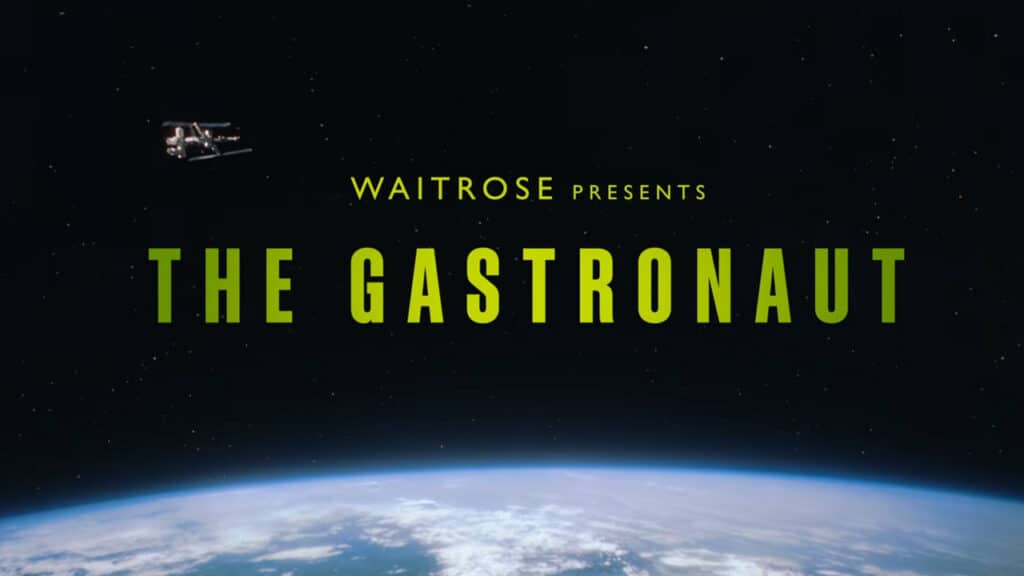
The opening moments of The Gastronaut feel deliberately disorienting. A pristine space station floats in silence. The lighting is cold and clinical. A calm computer voice instructs astronaut Michael to “eat your fuel.” The food itself is grey, amorphous, and joyless. Nothing about this setup signals supermarket advertising.
This is a critical creative choice. By adopting the visual language of big-budget science fiction, the film immediately reframes expectations. The camera moves slowly. The production design is meticulous. The tone is sincere. This seriousness gives the ad weight, which allows the humor later to land with far more impact.
Supermarket ads rarely allow themselves this kind of patience. The Gastronaut trusts that attention can be earned through intrigue rather than urgency.
The Insight: Food Is Not Just Fuel
At the heart of the campaign is a deceptively simple insight. Food is emotional and sensory, not merely functional.
Waitrose did not arrive at this insight by accident. Supporting research commissioned by the brand revealed that a significant majority of consumers see food as far more than sustenance. Many said they would travel extraordinary distances for a favorite meal. Others described food as central to comfort, identity, and emotional wellbeing. It’s not just the taste or the act of eating—people miss the tangible things that make a meal memorable: the aroma, the texture, the sound of cooking, and the way certain things bring back memories or create a sense of home. The Gastronaut translates this data into story.
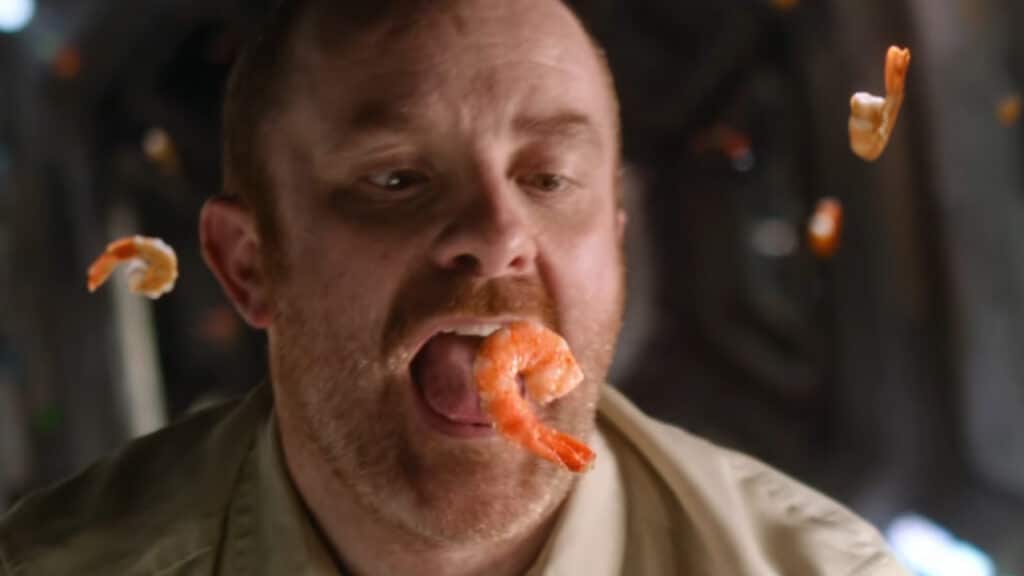
Michael is not starving. He is being fed. What he lacks is pleasure, ritual, and connection. As the film unfolds, his emotional deprivation becomes increasingly apparent. He sketches food from memory. He watches a video of his wife making a sandwich and begins to cry. Plates of pasta and prawns float through the cabin like hallucinations.
The craving that ultimately breaks him is highly specific. He does not long for “good food.” He longs for a prawn linguine.
This specificity is where the ad’s power lies. It mirrors real human behavior. Food lovers rarely crave categories. They crave dishes. That insight turns an absurd premise into a deeply relatable experience.
Commitment to Absurdity, Grounded in Truth
When Michael decides to abandon his mission, the ad commits fully to the consequences. This is not a quick gag. The re-entry sequence is dramatic, loud, and visually spectacular. Flames lick the capsule. The sound design builds tension. The moment is treated with genuine gravity.
Then comes the reveal. The capsule crashes into a Waitrose car park.
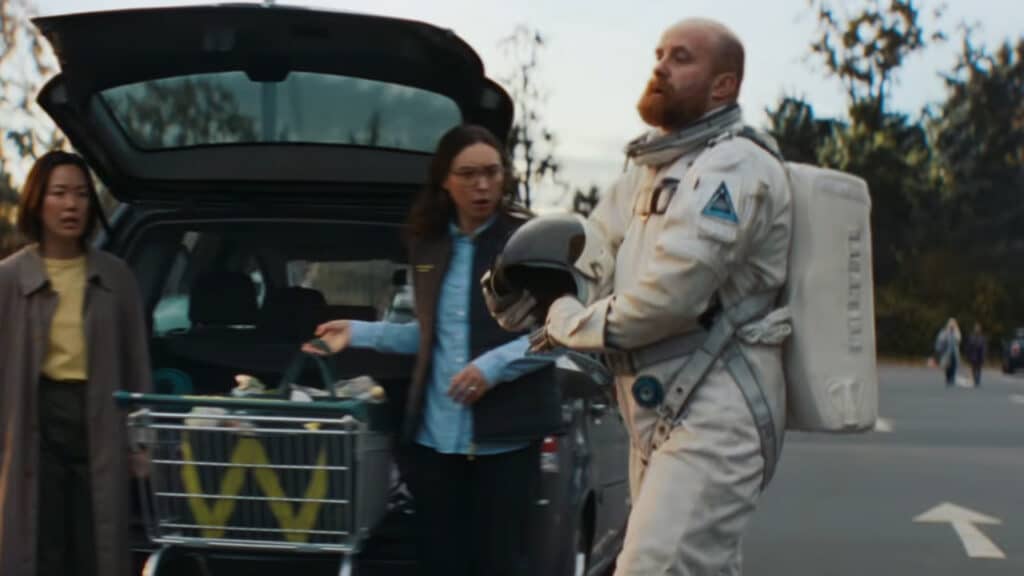
This is one of the most confident brand moments in recent grocery advertising. The store is not introduced with a logo animation or voiceover. It simply exists as the destination that makes everything else worthwhile. Michael emerges in his space suit, steps past crushed cars, and casually walks into the store.
When a bystander asks if he is alright, his response is understated and perfect. He is just picking up some bits for dinner.
The humor works because it is rooted in character and insight. The absurdity never undermines the brand. Instead, it reinforces the idea that Waitrose is where food lovers belong.
Why the Store Reveal Is Strategically Brilliant
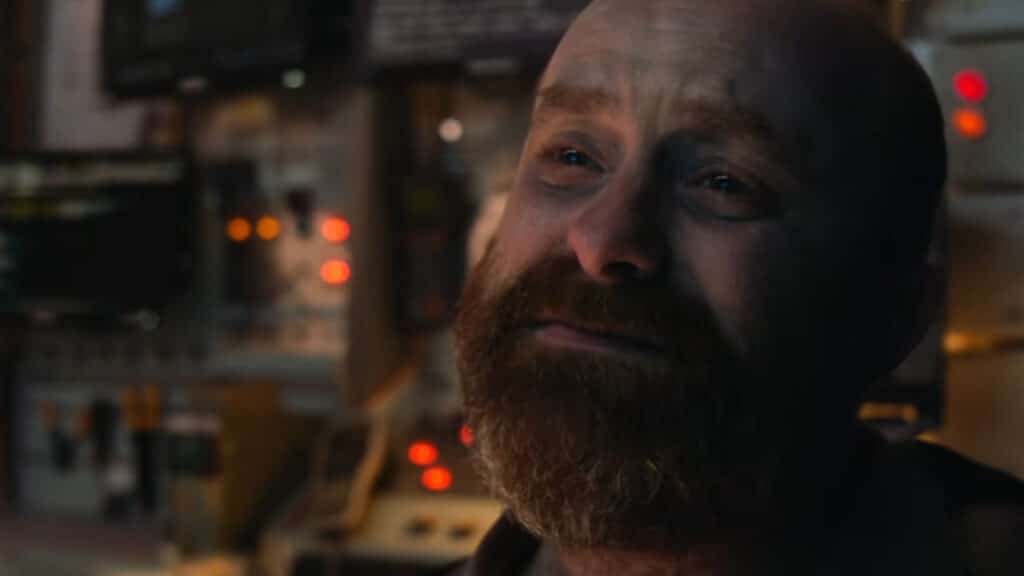
Brand integration is where many ads fail. Products or logos are often bolted on at the end, disrupting the story. The Gastronaut avoids this entirely by making the store itself the payoff.
The implication is clear. Waitrose is not just a place to shop. It is a destination worth returning to at any cost. This positioning elevates the brand beyond transactional retail and into emotional loyalty.
Notably, the ad never compares prices. It never claims superiority directly. While some competitors claim their loyalty programs offer points, discounts, or exclusive incentives to drive engagement, Waitrose focuses on building emotional loyalty through the overall experience rather than transactional rewards. It assumes quality and lets the story do the work. That confidence is a hallmark of strong brand building.
Sound-Off Storytelling in a Sound-On World
Another strength of The Gastronaut is its adaptability across viewing environments.
Visually, the narrative is crystal clear without sound. The contrast between sterile space food and richly shot meals communicates the core idea instantly. Facial expressions, color palettes, and composition carry the message.
When sound is on, the emotional register deepens significantly thanks to I Don’t Want to Miss a Thing by Aerosmith. The track is unapologetically romantic and melodramatic. It amplifies longing and commitment, turning Michael’s craving into something almost heroic.
In a media landscape dominated by connected TV, mobile feeds, and in-app video, this dual effectiveness is essential. Ads must work everywhere. The Gastronaut does.
Part of a Bigger Brand Story
Crucially, this campaign does not exist in isolation. Industry commentary positions The Gastronaut as a continuation of Waitrose’s broader move toward cinematic, long-form storytelling. From emotionally driven holiday films to premium brand narratives, Waitrose has been steadily shifting away from purely functional grocery advertising. For example, the Waitrose Christmas campaign featuring Keira Knightley stands out for its festive, heartwarming appeal and its role in promoting the supermarket’s holiday campaign.
This continuity matters. It signals long-term brand investment rather than short-term stunts. Consumers may not consciously track campaign lineage, but they feel consistency. Over time, this builds brand memory and emotional association.
The result is a supermarket brand that feels considered, confident, and culturally aware.
Extending the Story Beyond the Film
Another often-overlooked strength of the campaign is its ecosystem thinking. The Gastronaut does not end with the TVC. The campaign extends into content, recipes, and creator partnerships, including links to a real prawn linguine recipe and collaboration with food creators. Waitrose continues to add new services and features, such as expanded online delivery options and enhanced recipe content, to further improve the customer experience.
This approach bridges inspiration and action. Viewers who feel the craving can immediately satisfy it. That seamless journey from emotion to utility is particularly effective in food marketing, where desire often leads directly to purchase.
Industry Reaction and Creative Intent
Industry reception reinforced the campaign’s success. Coverage praised its cinematic scale, humor, and refusal to follow category norms.
Nathan Ansell, Customer Director at Waitrose & Partners, articulated the strategic goal clearly.
“We wanted to show that for our customers, food isn’t just fuel, it’s a passion. ‘The Gastronaut’ captures that craving in a way only Waitrose can.”
This quote underscores the point that the spectacle is purposeful. The emotion is intentional.
Distribution Is Part of the Creative
Campaigns like The Gastronaut thrive in premium environments. Long-form storytelling needs room to breathe. Connected TV, broadcaster video on demand, and high-impact online video placements allow viewers to engage with the narrative rather than skip past it.
For food and drink brands, this is a critical lesson. Creative ambition must be matched with thoughtful distribution. When the environment respects the content, advertising becomes entertainment rather than interruption.
Ten Key Takeaways From The Gastronaut
🍤 Mouthwatering visuals turn a single prawn linguine into the emotional hero of the story
🎬 Cinematic production values elevate grocery shopping into epic storytelling
🧠 Food cravings are treated as emotional and sensory, not functional
😂 Humor is earned through character, not forced jokes
👀 The brand promise is delivered visually, even with the sound off
🚀 The store reveal is the payoff, not an afterthought
🎶 Music amplifies emotion and memorability
🛒 The supermarket is positioned as a destination, not a transaction
📺 The ad is designed for premium video and connected TV
❤️ The campaign builds long-term brand equity, not short-term sales noise
What This Means for Supermarket Food and Drink Marketers
There are clear lessons here. Ambition matters. Specificity creates connection. Humor works best when grounded in truth. And distribution should be considered part of the creative process, not an afterthought.
Most importantly, The Gastronaut reminds us that food advertising is at its best when it respects how people actually feel about food. Not as fuel, but as pleasure, comfort, and identity.
Our Perspective
We know food advertising is not about shouting louder. It is about understanding desire. The Gastronaut succeeds because it treats food with seriousness, affection, and confidence. By sending a man to space and bringing him crashing back to a supermarket car park for a prawn linguine, Waitrose delivers a simple, powerful message.
Great food is never just fuel. It is something worth coming home for.