


Coffee Maker Industry
The coffee maker industry is a dynamic and rapidly evolving sector within the broader coffee industry that plays a pivotal role in shaping global coffee culture. From simple drip brewers to sophisticated espresso machines, it serves a diverse range of consumers, including casual coffee drinkers, home baristas, and commercial businesses. As coffee consumption continues to rise worldwide, fueled by the growing popularity of specialty coffee and the demand for personalized brewing experiences, the need for innovative, efficient, and user-friendly coffee makers has never been greater. The industry supports the global coffee ecosystem by enabling consumers and businesses to prepare high-quality coffee while reflecting broader trends in technology, sustainability, convenience, and evolving lifestyle preferences.
Over the past few decades, the coffee maker market has undergone significant transformation, driven by technological advancements and changing consumer expectations. The introduction of single-serve pod systems redefined convenience, while the resurgence of manual brewing methods renewed interest in craftsmanship and flavor precision. At the same time, consumers have increasingly embraced premium home brewing, seeking café-quality beverages with greater control over the brewing process. As coffee drinking continues to grow across the world’s coffee markets, manufacturers are investing in smarter and more sustainable brewing technologies. More recently, smart technology, energy-efficient designs, and environmentally responsible materials have become key areas of innovation, alongside growing demand for reusable filters and sustainable packaging. Together, these trends continue to shape the future of the coffee maker industry, creating opportunities for manufacturers to balance performance, convenience, customization, and environmental responsibility.
Key Takeaways
- Innovation is driving market growth. Coffee makers have evolved from basic brewing appliances into smart, customizable, and energy-efficient machines that meet changing consumer expectations.
- Consumer preferences are reshaping the industry. Rising demand for specialty coffee, premium home brewing, convenience, and sustainable products is influencing product development and purchasing decisions.
- The market continues to expand globally. Growth in home coffee consumption, commercial establishments, and emerging markets is creating new opportunities for manufacturers and technology-driven brands.
What Is the Coffee Maker Industry?
The coffee maker industry encompasses the design, manufacturing, distribution, and sale of appliances that brew coffee for residential, commercial, and institutional use. It includes a wide range of products, from traditional drip coffee makers and French presses to espresso machines, single-serve brewers, pour-over systems, and fully automated bean-to-cup machines. As one of the fastest-evolving segments of the small kitchen appliance market, the industry continues to evolve alongside changing consumer preferences, technological innovation, and the growing demand for premium coffee experiences.
The market serves a diverse customer base, including households, cafés, restaurants, hotels, offices, healthcare facilities, and convenience stores. Each segment has different requirements, ranging from compact home brewers to high-capacity commercial machines capable of delivering consistent, high-quality beverages throughout the day. To remain competitive, manufacturers continue to enhance their products with features such as built-in grinders, milk frothers, programmable brewing, touch-screen controls, app connectivity, and energy-efficient technologies.
Changing consumer lifestyles have further accelerated market development. As more people recreate café-style beverages at home, demand for versatile and customizable coffee makers has increased. At the same time, sustainability has become a major purchasing factor, encouraging manufacturers to develop reusable filters, recyclable materials, and environmentally responsible designs that reduce waste and energy consumption.
Today, the coffee maker industry is shaped by smart home integration, automation, premium appliance design, and a growing appreciation for high-quality coffee. By combining technological innovation with sustainability and evolving consumer expectations, manufacturers continue to expand product offerings and strengthen the industry’s long-term outlook.
The Evolution of Coffee Makers
The evolution of coffee makers reflects changing consumer lifestyles, advances in technology, and the growing demand for convenience, consistency, and café-quality beverages. While coffee has been enjoyed for centuries, brewing methods have evolved dramatically over time. From simple manual techniques to today’s intelligent, fully automated machines, each innovation has transformed not only how coffee is prepared but also what consumers expect from their daily coffee experience.
Coffee is produced from coffee plants and coffee trees, where coffee cherries are harvested and processed into green coffee beans before roasting. As coffee drinking spread across different regions, brewing methods gradually evolved from simple manual techniques to more efficient coffee makers designed to improve consistency, convenience, and beverage quality.
One of the earliest widely adopted brewing devices was the stovetop percolator, which repeatedly cycled boiling water through coffee grounds to produce a rich, full-bodied brew. Around the same period, stovetop espresso makers gained popularity in many parts of Europe, providing an affordable way for households to prepare stronger, espresso-style coffee without commercial equipment.
The introduction of electric drip coffee makers revolutionized home brewing by making the process faster, more consistent, and easier to use. Automatic temperature control, built-in timers, and programmable brewing cycles helped these machines become standard appliances in homes and workplaces, making freshly brewed coffee more accessible to everyday consumers.
As demand for premium coffee experiences increased, automatic espresso machines and bean-to-cup systems entered the mainstream. Equipped with integrated grinders, customizable brewing settings, and automatic milk frothing, these machines allowed users to prepare café-quality beverages with minimal effort, bringing professional-style brewing into homes, offices, cafés, and other commercial environments.
The next major advancement came with single-serve pod and capsule coffee makers. Designed for speed, convenience, and consistent results, these systems simplified coffee preparation by eliminating the need for measuring, grinding, and extensive cleanup. Their popularity helped reshape the market while specialty coffee enthusiasts simultaneously embraced manual brewing methods such as pour-over coffee, French press, and AeroPress, placing greater emphasis on bean quality, roasting, and brewing precision.
Today, the coffee maker industry continues to combine tradition with innovation. Smart connectivity, app-controlled brewing, personalized drink settings, energy-efficient designs, and sustainable materials are shaping the next generation of coffee makers. As consumer expectations continue to evolve, manufacturers are developing appliances that deliver greater convenience, customization, and consistently high-quality coffee while supporting a more sustainable future.
Core Segments of the Coffee Maker Market
The coffee maker market is commonly divided into three primary segments: residential, prosumer, and commercial. Each segment serves a distinct customer base with different expectations for performance, features, pricing, and brewing capacity. Understanding these categories helps explain how manufacturers develop products that range from simple home brewers to high-performance machines designed for professional environments.
Residential Coffee Makers
The residential segment represents the largest consumer market and includes appliances designed for everyday home use. Popular products include drip coffee makers, single-serve pod machines, compact espresso machines, French presses, and pour-over brewers. These coffee makers prioritize convenience, affordability, and ease of operation, although almost all modern residential models now include features such as programmable brewing, smart controls, or energy-saving functions.
Prosumer Coffee Equipment
The prosumer segment caters to coffee enthusiasts who value precision, customization, and professional-quality brewing. These consumers often invest in semi-automatic espresso machines, premium burr grinders, and manual brewing equipment to gain greater control over key brewing variables such as grind size, extraction, and water temperature. Designed for performance and consistency, prosumer equipment delivers exceptional flavor while providing a hands-on brewing experience for users seeking greater control over every cup.
Commercial Coffee Systems
Commercial coffee systems are built for businesses that require speed, durability, and consistent performance throughout the day. Cafés, restaurants, hotels, offices, hospitals, and other commercial locations often require machines capable of preparing coffee alongside beverages such as tea, ensuring fast and reliable service throughout the day. These machines often feature multiple brewing stations, automated cleaning systems, programmable drink menus, and advanced maintenance capabilities to support continuous operation in demanding environments.
A Growing Middle Ground
The distinction between residential, prosumer, and commercial coffee equipment is becoming increasingly blurred. Many manufacturers now offer scalable product lines that incorporate similar brewing technologies across multiple market segments. Bean-to-cup machines, smart connected appliances, and premium office coffee systems combine advanced features with user-friendly operation, making professional-quality coffee more accessible in a wider range of settings. This convergence reflects the industry’s commitment to expanding product versatility while meeting the diverse needs of households, workplaces, cafés, and other commercial environments.
How Home Coffee Equipment Has Evolved
Home coffee equipment has undergone significant transformation over the past several decades. In the mid-twentieth century, most households relied on simple brewing methods such as stovetop percolators, glass coffee pots, and pre-ground coffee. Today, consumers can choose from a wide variety of coffee makers designed to deliver greater convenience, consistency, and café-quality beverages while accommodating different brewing preferences and lifestyles.
One of the most significant advancements has been the development of electric drip coffee makers. Modern models offer programmable brewing schedules, adjustable brew strength, precise temperature control, and improved water distribution systems that enhance extraction and flavor. These innovations have made drip coffee makers more reliable, efficient, and easier to use for everyday brewing.
Home espresso machines have also become more sophisticated and accessible. From compact automatic models to premium bean-to-cup systems with integrated grinders and automatic milk frothers, today’s machines enable users to prepare espresso-based beverages such as cappuccinos and lattes with minimal effort. As a result, consumers can enjoy café-style coffee at home without the complexity of commercial equipment.
Single-serve pod and capsule coffee makers have further expanded the home coffee market by offering fast, convenient, and consistent brewing. Their simple operation, minimal cleanup, and broad selection of coffee blends and specialty beverages have made them a popular choice for busy households seeking a quick and reliable brewing solution.
At the same time, manual brewing methods have experienced renewed popularity among coffee enthusiasts. Pour-over brewers, French presses, AeroPress devices, moka pots, and cold brew systems provide greater control over brewing variables such as grind size, water temperature, and extraction time. This renewed interest reflects the growth of specialty coffee culture and a greater appreciation for brewing techniques that highlight flavor and aroma.
Modern home coffee equipment also emphasizes design, connectivity, and sustainability. Manufacturers now offer compact appliances with premium finishes, intuitive touch-screen interfaces, smart home integration, and energy-efficient operation. Many models also incorporate reusable filters and other environmentally conscious features to reduce waste while maintaining high brewing performance.
Looking ahead, home coffee equipment is expected to become even more intelligent, efficient, and customizable. Advances in automation, smart technology, and sustainable design are enabling manufacturers to meet changing consumer needs while delivering greater brewing precision, convenience, and flexibility. As innovation continues, home coffee makers will remain an essential part of modern kitchens, providing high-quality coffee for a wide range of preferences and brewing styles.
COVID-19 and the Surge in Home Coffee Makers
The COVID-19 pandemic significantly accelerated demand for home coffee equipment, reshaping consumer purchasing behavior around the world. As cafés, restaurants, and offices faced temporary closures or operated with limited capacity, many consumers began preparing their favorite coffeehouse beverages at home. This shift increased demand for a wide range of coffee makers, accessories, and specialty coffee products while accelerating interest in premium home brewing.
Sales of home espresso machines, bean-to-cup systems, coffee grinders, single-serve brewers, and manual brewing equipment increased as consumers sought greater control over their daily coffee routines. Many who had previously relied on basic drip coffee makers began exploring specialty coffee, experimenting with freshly roasted beans, new brewing methods, and espresso-based beverages. As a result, home coffee preparation evolved from a simple daily routine into an enjoyable hobby for many households.
The pandemic also encouraged consumers to develop new brewing skills. Interest in topics such as grind size, extraction, water temperature, roast profiles, and latte art grew significantly as people sought to improve the quality of their coffee. Online tutorials, virtual barista classes, and educational content made advanced brewing techniques more accessible, helping consumers get the most from their home coffee equipment.
Technologies and Types of Coffee Makers
Coffee brewing technologies are designed to meet a variety of consumer needs, including taste, convenience, speed, capacity, and brewing control. Rather than one technology replacing another, the coffee maker market has evolved to offer a diverse range of brewing solutions for different lifestyles, environments, and preferences. Understanding how each type works and the advantages it offers helps explain why multiple coffee maker formats continue to thrive.
Drip Coffee Makers
Drip coffee makers remain one of the most popular choices for homes and offices. They brew coffee by passing hot water through ground coffee using gravity, making them ideal for preparing multiple cups at once. Modern models feature programmable timers, adjustable brew strength, improved water distribution systems, and precise temperature control, enhancing extraction while maintaining ease of use and consistent flavor.
Espresso Machines
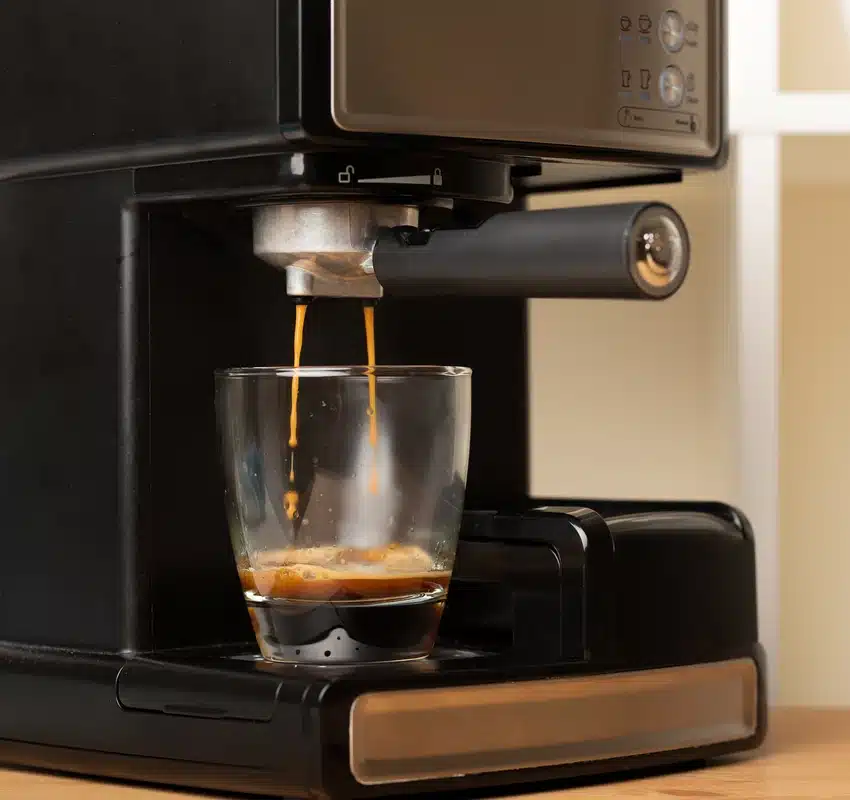
Espresso machines use pressurized hot water to force water through finely ground coffee, producing a concentrated beverage topped with a distinctive crema. They are available in manual, semi-automatic, automatic, and fully automatic configurations, catering to users with different brewing preferences and skill levels. Many premium models include integrated grinders, steam wands, dual heating systems, and programmable brewing settings for preparing a wide range of espresso-based beverages.
Single-Serve Coffee Makers
Single-serve coffee makers use pods, capsules, or reusable coffee pods to prepare individual servings quickly and consistently. Their convenience, minimal cleanup, and wide variety of coffee options have made them a popular choice for homes, offices, hotels, and shared workspaces. While they prioritize speed and ease of use, they generally offer fewer customization options than traditional brewing methods.
Manual Brewing Equipment
Manual brewing methods, including French presses, pour-over brewers, AeroPress devices, moka pots, and immersion brewers, give users greater control over variables such as grind size, water temperature, brewing time, and extraction. These methods are especially popular among specialty coffee enthusiasts who appreciate both the brewing process and the ability to fine-tune flavor profiles.
Cold Brew Systems
Cold brew systems prepare coffee by steeping coarse coffee grounds in cold water for an extended period. This slow extraction process produces a smooth beverage with lower perceived acidity than traditionally brewed coffee. As consumer demand for ready-to-drink coffee and specialty cold beverages continues to grow, cold brew systems have become an increasingly important segment of both the residential and commercial coffee maker market.
Coffee Makers for Different Applications
Coffee makers are designed to meet the needs of a wide range of users and environments. In offices, vending areas, hospitals, and other high-volume settings, many machines prioritize speed, consistency, and ease of maintenance. Some systems use instant or soluble coffee to deliver beverages quickly, making them well suited for locations where efficiency and high output are essential.
In contrast, equipment designed for specialty coffee emphasizes brewing precision and beverage quality. Features such as freshly ground beans, accurate temperature control, and optimized extraction help produce coffee with greater flavor and consistency. Between these two approaches, many modern coffee makers combine user-friendly operation with advanced brewing technologies, offering a balance of convenience and performance. This diversity enables manufacturers to meet the needs of households, workplaces, cafés, hotels, and other commercial environments.
Coffee Makers, Caffeine Content, and Consumer Preferences
Coffee makers do more than brew coffee; they influence how coffee is extracted, affecting flavor, aroma, strength, and the overall drinking experience. While the type of coffee bean and roast profile play important roles, the brewing method also shapes the final cup. As consumers become more knowledgeable about coffee, many seek equipment that offers greater control over brewing variables and beverage customization.
Different brewing methods produce different coffee experiences. Espresso machines use pressurized hot water to prepare concentrated coffee with a higher caffeine concentration per ounce. In contrast, drip coffee makers produce larger servings that often contain more total caffeine because of their greater volume. Manual brewing methods allow users to adjust grind size, water temperature, and brewing time, providing greater control over flavor, strength, and extraction.
Roast level also influences the brewing experience. Although light and dark roasts contain similar amounts of caffeine by weight, the brewing process plays a significant role in flavor development. Coffee makers with precise temperature control and consistent extraction help maximize flavor while reducing the risk of under- or over-extraction, particularly when brewing specialty coffee.
Consumer preferences continue to evolve as people seek coffee makers that match their individual tastes and lifestyles. Some prioritize adjustable brew strength, customizable drink sizes, or specialty beverages, while others value speed, consistency, and ease of use. In response, manufacturers continue to develop coffee makers with advanced brewing technologies and flexible settings that accommodate a wide range of brewing preferences.
Environmental and Sustainability Issues in Coffee Makers
Sustainability has become a major priority within the coffee maker industry as manufacturers and consumers place greater emphasis on reducing environmental impact. Beyond brewing performance and convenience, purchasing decisions increasingly consider factors such as energy efficiency, product durability, waste reduction, and responsible manufacturing. As a result, sustainability has evolved from a niche concern into a key driver of product innovation.
One of the industry’s most visible environmental challenges is the waste generated by single-use coffee pods and capsules. While these systems offer speed and convenience, many capsules are difficult to recycle because they combine multiple materials and require proper disposal practices. In response, manufacturers are developing recyclable and compostable capsules, reusable pod systems, and take-back programs to help reduce waste.
Energy efficiency has become an important focus in coffee maker design. Modern machines increasingly incorporate automatic shut-off functions, low-power standby modes, and efficient heating systems that reduce electricity consumption while maintaining consistent brewing performance. These features help minimize energy use and support growing consumer demand for more environmentally responsible appliances.
Product durability and repairability are receiving greater attention as manufacturers seek to reduce electronic waste. Coffee makers designed with replaceable components and longer service lives help minimize unnecessary replacements while extending product lifespan. Some manufacturers also support recycling and refurbishment initiatives to reduce waste and promote more sustainable product use.
Sustainability also extends to the accessories used with coffee makers. Many consumers prefer reusable coffee filters, environmentally friendly packaging, and refillable brewing systems that help reduce waste and support more sustainable coffee preparation. Manufacturers that align their products with these preferences are increasingly appealing to environmentally conscious buyers.
As environmental expectations continue to evolve, sustainability is becoming a competitive advantage within the coffee maker market. Companies that combine energy-efficient technologies, durable construction, repairable designs, and waste-reduction initiatives are well positioned to meet changing consumer expectations while contributing to a more sustainable future for coffee brewing.
Future Trends and Innovation in the Coffee Maker Industry
The coffee maker industry is evolving rapidly as advances in technology, changing consumer preferences, and growing environmental awareness reshape the way coffee is prepared and enjoyed. Manufacturers are focusing on innovations that improve convenience, beverage quality, personalization, and sustainability, creating smarter and more versatile coffee makers for both residential and commercial markets.
One of the most significant trends is the continued expansion of smart connectivity. Modern coffee makers increasingly feature Wi-Fi or Bluetooth integration, allowing users to schedule brewing, customize drink settings, monitor maintenance, and control their machines through mobile apps or voice assistants. Some systems also allow users to save personalized brewing profiles for different beverages and preferences.
Artificial intelligence and data-driven personalization are also expected to play a larger role in future product development. Advanced coffee makers are beginning to analyze user preferences and brewing habits to automatically adjust settings such as grind size, brew strength, water temperature, and extraction time. These intelligent features simplify coffee preparation while delivering a more personalized brewing experience.
Brewing technology continues to advance as well. Improvements in burr grinder design, precision grinding, temperature stability, and pressure control are making professional-quality brewing more accessible to everyday consumers. Features that were once found primarily in premium commercial equipment are increasingly appearing in residential coffee makers, allowing users to enjoy greater control over flavor and consistency without requiring advanced technical knowledge.
Looking ahead, the coffee maker industry will continue to balance innovation with simplicity. Companies that successfully combine intelligent technology, premium brewing performance, durable design, and environmental responsibility will be well positioned to meet the evolving needs of consumers and businesses. As coffee culture continues to expand globally, these innovations will continue shaping the future of home and commercial coffee brewing.