


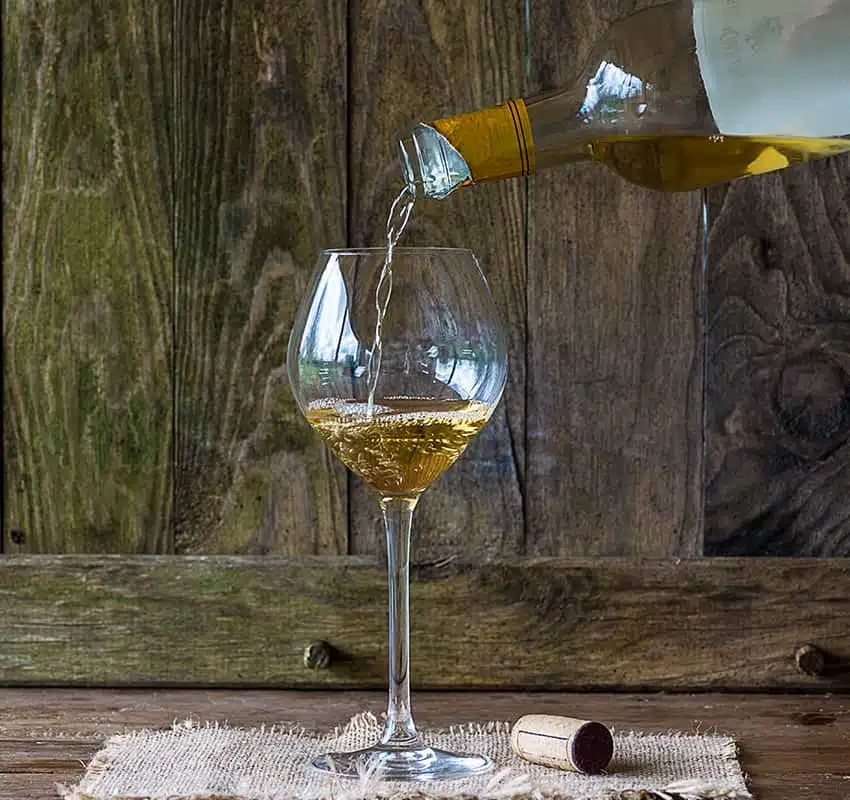
Dessert Wine Targeting Built on Contextual Signals
Dessert Wine is sweet wine made to serve with or as dessert, from late harvest and botrytised bottles to fortified styles like Port, Sherry and Madeira and lightly sweet pours such as Moscato and Riesling. The category runs from famous names like Sauternes, Tokaji and Ice Wine to everyday sweet reds, whites and sparkling, poured by the small glass to finish a meal. Worldwide, Dessert Wine and its sweet and fortified styles draw over 500,000 searches a month.
That demand is the contextual signal. Someone searching best dessert wine, sweet red wine or dessert wine pairing is reading a buying guide, a pairing article or a recipe and deciding what to open, pour or gift next. Dessert Wine Targeting places your Ads on that content while the choice is still open.
The Dessert Wine Audience
For a Wine, Spirits, Supermarket or Liquor brand, Dessert Wine content reaches the buyer at the moment they are deciding what to open, pour or gift. It is an engaged, high value audience that spans the special occasion and gifting buyer choosing a bottle of Port or Sauternes for the holidays and a curious, food led crowd matching sweet wine to a cheese board or dessert, concentrated in the legal drinking age 25 to 54 bracket, and it is as often the household Grocery Buyer stocking the drinks cabinet as it is an enthusiast chasing a prestige half bottle.
Dessert Wine is a Repeat Purchase with real trade up potential, and the search data shows it. People compare styles and sweetness, look up what to pair and how to serve it, and read how Port, Sherry and Moscato differ before they buy. Gifting moments like Christmas, Thanksgiving and Valentine’s Day drive spikes you can plan against, while a steady year round audience keeps pouring Dessert Wine through dinner parties, celebrations and quiet nights in.
Why Advertise Around Dessert Wine Content?
Someone reading about Dessert Wine has already decided to drink and is working out what to buy. That intent makes them highly relevant. The content sits across our Food websites, and equally on a single relevant URL inside premium News, Sport, Travel, Lifestyle, Family, Parenting or Entertainment sites wherever food and entertaining content runs.
Who Advertises with Dessert Wine Targeting
Dessert Wine draws a wide set of advertisers because the category runs from the everyday sweet bottle to the prestige Sauternes and the glass it is served in.
| Advertiser Type | Products and Services | Buying Pattern |
|---|---|---|
| Wine and Spirits | Dessert, fortified and sweet wines, Port, Sherry and Madeira | Repeat Purchase |
| Supermarket and Liquor | Bottle shops, grocery wine aisles and online cellars | Repeat Purchase |
| Beverage | Coffee, tea and mixers served with dessert | Repeat Purchase |
| Kitchen and Barware | Dessert wine glasses, decanters and gift sets | One Off |
| Confectionery and Dessert | Chocolate, cheese and desserts paired with the pour | Repeat Purchase |
| Restaurant and Hospitality | Fine dining, dessert menus and cellar lists | Lead Generation |
| Non-Endemic | Brands reaching the drinker through drinks content: auto, finance and travel | Lead Generation |
If your product is bought, poured or served alongside a glass of Dessert Wine, this is where that decision gets made.
Where Will My Dessert Wine Advertisements Run?
Your Ads run beside the Dessert Wine content people actually read. Early in the journey that is broad discovery, the best dessert wine round ups, sweet wine explainers and pairing guides people browse before they commit. Closer to the purchase it narrows to a specific style or bottle, the Port for a gift, the Sauternes for a dinner party, the Moscato to serve with fruit. Later still it becomes a store page or a recipe with a shopping list open in another tab. We match across all of it, in real time, so your brand is present whether someone is still deciding or already buying.
Examples of Popular Dessert Wine Articles
- Best Dessert Wines to Try
- Sweet Red Wine Types Explained
- Dessert Wine and Cheese Pairings
- How to Serve Dessert Wine
- Port, Sherry and Madeira Compared
- Moscato vs Riesling: Which Is Sweeter?
- What Makes a Wine a Dessert Wine
- Best Sweet Wines for Beginners
- Ice Wine and How It Is Made
- Italian Dessert Wines to Know
- Sweet Wines for Chocolate Desserts
- Dessert Wine Glasses and Serving Sizes
Popular Dessert Wine Keyword Searches
These are the terms behind the segment, pulled from live search data. They are the signal your Ads are matched against, not a wish list.
- dessert wine
- sweet wine
- sweet red wine
- sweet white wine
- moscato wine
- port wine
- sherry wine
- ice wine
- sauternes
- madeira wine
- late harvest wine
- muscat wine
- tokaji
- marsala wine
- sweet sparkling wine
- sweet rose wine
- semi sweet wine
- sweet wine types
- sweet wine brands
- sweet riesling wine
- sweet dessert wine
Alcohol Targeting
Food Targeting is in our DNA
Since 2008 Gourmet Ads has been the global leader in Food Advertising, delivering Contextual Targeting across premium publisher content in Real Time. We serve every kind of food advertiser, from Supermarkets and CPG brands through to Beverage, Alcohol, Kitchen and Non-Endemic. Our solutions include Contextual Targeting, Website Category Targeting, Retargeting and Non-Endemic Targeting.
Gourmet Ads’ Contextual Targeting
Activating a Dessert Wine Audience with our Contextual Targeting
Programmatic Activation
DSP Agnostic, we package our Dessert Wine Contextual Targeting Segment as a Deal ID / PMP, so your own media traders can activate it in your own Programmatic workflow, retaining full control over campaign budget, creative, optimization and performance.
Deals Created and running same or next day
Managed Campaign Activation
Prefer us to run your campaign? Our Expert Managed Campaign team plans, builds, manages and optimizes your Dessert Wine campaign end to end across premium, brand safe inventory, from the initial discussion through Insertion Order and reporting setup.
Campaign Running in 5 to 7 working days
Dessert Wine Related Contextual Targeting






Frequently Asked Questions (FAQs)
What is Dessert Wine Targeting?
How big is the Dessert Wine audience?
Which advertisers should use Dessert Wine Targeting?
Is Dessert Wine Targeting seasonal?
How quickly can a Dessert Wine campaign go live?
What is Contextual Targeting?
Is Contextual Targeting Privacy Compliant?
Why should Food and Drink Advertisers use Contextual Targeting?
Can you build a Custom Contextual Targeting Segment?
How often are Contextual Targeting Segments updated?
Food Targeting Categories
Since 2008, Gourmet Ads has been the global leader in food-focused advertising, specializing in Contextual Targeting. Discover a wide range of Food Targeting Categories for your next advertising campaign or programmatic deals, including Alcohol, Beverage, Cuisine, Diet, Ingredient, Kitchen Appliances, Non-Endemic, Publisher, and Recipe Targeting. We ensure your brand resonates with an engaged, culinary-inclined audience, transforming advertising campaigns into deliciously successful endeavors. Experience Gourmet Ads—where your message meets the appetite of your desired market.









Let’s Get Started !
Let the Gourmet Ads team walk you through all the options available to ensure that your Food, Supermarket, Beverage or Kitchen advertising campaign has the best possible combination of Premium Guaranteed Inventory, Scale, First Party Data, Contextual Targeting and Programmatic Advertising elements.